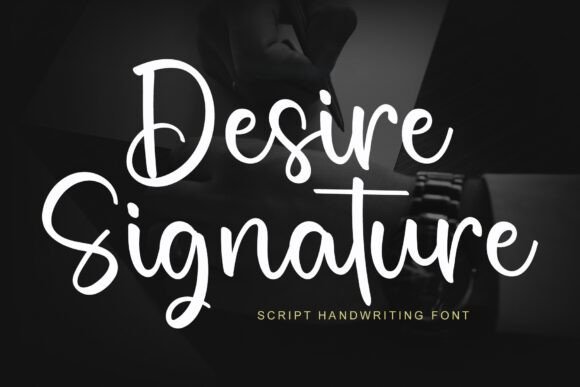
Desire Signature Font for Web Design
As a web designer, choosing the right font can make or break a digital experience. Desire Signature is a premium script font that blends elegance with readability, making it ideal for a wide range of design applications. Its fluid strokes and graceful curves bring a vintage charm to modern websites without sacrificing usability.
Elegant Typography for Brand Identity
Desire Signature exudes class through its dynamic flow and timeless appeal. This handwritten font feels personal yet professional, making it perfect for brand-focused web experiences. Whether you're designing a boutique online store or a creative portfolio, this font adds a touch of sophistication that resonates with users.
The personality of Desire Signature aligns well with brands that value authenticity and artistry. It works especially well in hero sections where visual impact matters most. Pairing it with a clean sans serif font for body copy ensures a balanced layout that maintains readability across devices.
Using Desire Signature in Web Layouts
When designing landing pages, using Desire Signature for headlines or call-to-action buttons can draw attention effectively. Its bold presence makes it suitable for short phrases that need emphasis. For example, a coaching website might use this font in its hero section to create an inviting and trustworthy first impression.
Online shop banners benefit from Desire Signature’s decorative flair. It can be used in promotional graphics to highlight product names or special offers. However, it's important to ensure that the font remains legible on smaller screens by adjusting size and spacing appropriately.
For digital ads, Desire Signature can add a unique visual element that stands out in a crowded space. When paired with a high-contrast background, it enhances visibility without overwhelming the viewer. Similarly, blog headers and course sales pages can leverage this font to establish a consistent brand tone and visual hierarchy.
Readability and Responsive Design
While Desire Signature is a display font, it performs well when used sparingly. For mobile responsiveness, it's crucial to test how the font renders at different sizes and on various screen resolutions. Avoid using it for long paragraphs, as script fonts can become difficult to read in extended blocks of text.
Consider using it for logo text or decorative accents where visual interest is key. In these cases, the font's unique character adds depth to the design while maintaining clarity. When working with dark or light backgrounds, ensure sufficient contrast to preserve legibility and avoid eye strain.
Font Pairing and Design Harmony
Pairing Desire Signature with a complementary typeface can enhance the overall design aesthetic. A simple sans serif font like Helvetica or Arial works well for body text, creating a clear distinction between headings and content. For editorial designs, pairing it with a serif font can add a refined look that suits more traditional branding styles.
When building a digital brand kit, including Desire Signature as a primary display font allows for consistency across all branded materials. It can be used in social media graphics, packaging design, and even email templates to maintain a cohesive visual identity.
Practical Considerations for Web Use
Before implementing Desire Signature on a website, verify that it includes the necessary file formats and webfont availability. Checking for multilingual support is also essential if your audience spans multiple regions. Ensuring that the font has appropriate weights and alternates can provide greater flexibility in design choices.
Commercial font licensing is another important consideration. Make sure that the license allows usage for websites, client projects, online stores, and other digital assets. This is particularly relevant when working on SaaS platforms, landing pages, or digital templates that require broad deployment.
For designers looking to elevate their work with a touch of elegance, Desire Signature offers a versatile solution that balances aesthetics with functionality. Its ability to adapt to various digital contexts makes it a valuable addition to any designer’s typography toolkit.
Creating Visual Hierarchy with Desire Signature
Visual hierarchy plays a critical role in guiding user attention on a webpage. Using Desire Signature for section headings helps structure content in a way that's easy to scan. The font’s bold and flowing style naturally draws the eye, making it effective for emphasizing key messages.
In conversion-focused layouts, placing Desire Signature near call-to-action elements can increase engagement. For instance, a product landing page might use it in a headline to convey urgency or exclusivity. This approach not only improves readability but also reinforces brand professionalism and trust.
When designing for a boutique online store, integrating Desire Signature into product titles or promotional banners can enhance the shopping experience. It creates a sense of luxury and individuality that aligns with the brand’s identity.
Ultimately, Desire Signature is more than just a font—it’s a tool that can shape the emotional response of users. By thoughtfully incorporating it into web design, digital creators can craft experiences that are both visually appealing and functionally sound.