Ruby Dahlia Font for Web Design Projects
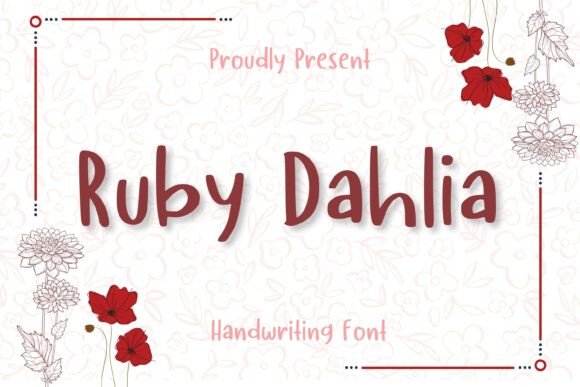
Ruby Dahlia is a whimsical handwriting font that brings a personal, artistic touch to digital design. As a web designer, I appreciate how this script font adds warmth and character to online interfaces without compromising readability. Its flowing curves and delicate details make it ideal for creative projects where visual storytelling matters.
Visual Characteristics and Digital Appeal
Ruby Dahlia has a soft, cursive style with subtle variations in stroke weight and letterform. This gives the font a natural, hand-written feel that stands out in digital environments. The personality of Ruby Dahlia is endearing and expressive, making it perfect for websites that aim to convey creativity, artistry, or emotional connection.
The font's digital appeal lies in its ability to maintain clarity even at smaller sizes. It’s designed with modern typography principles in mind, ensuring that it remains legible across different screen resolutions and device types. Whether used on mobile or desktop, Ruby Dahlia adapts well to responsive layouts.
Applying Ruby Dahlia in Web Design Elements
When designing website headers, hero sections, or landing pages, Ruby Dahlia can serve as a strong focal point. Its unique style works particularly well for call-to-action areas, where it can draw attention while maintaining an inviting tone. For example, using Ruby Dahlia in a boutique online store’s banner can enhance the brand's charm and encourage engagement.
In blog graphics or course sales pages, this font can be used for section headings or decorative accents. Pairing it with a clean sans serif font like Helvetica or Arial for body copy ensures a balanced layout. This combination allows the design to remain professional while still feeling approachable and creative.
For portfolio sites or coaching websites, Ruby Dahlia can be applied to logo text or feature titles. Its hand-drawn quality aligns well with personal branding and helps create a sense of authenticity. In digital ads or social media graphics, short phrases written in Ruby Dahlia can stand out effectively when paired with high-quality visuals.
Readability and Visual Hierarchy Considerations
While Ruby Dahlia excels as a display font, it's important to use it thoughtfully. It performs best in larger sizes and limited contexts such as headlines, logos, or decorative elements. Using it for extended body copy may reduce readability, especially on mobile screens or in low-contrast environments.
To ensure optimal readability, consider using Ruby Dahlia on light backgrounds with sufficient contrast. When applying it to buttons or small interactive elements, test its visibility across different devices and screen sizes. A practical tip is to limit its use to key visual hierarchy points, allowing other fonts to handle the bulk of content delivery.
Font Pairing and Brand Identity
Font pairing plays a crucial role in creating a cohesive visual identity. Ruby Dahlia pairs well with simple, modern sans serif fonts for body text. This contrast between the ornate script and minimalist typeface enhances visual interest while keeping the design easy to read.
For editorial design or packaging design, combining Ruby Dahlia with a serif font can add depth and sophistication. This approach is especially effective for brands aiming to evoke a classic yet contemporary aesthetic. Always test your font combinations in real-world scenarios to ensure they work harmoniously in your design system.
When selecting Ruby Dahlia for your digital projects, check the available styles, weights, and file formats. Ensure that the font supports the languages and characters needed for your target audience. If you're using it for commercial purposes, verify that the licensing includes webfont availability and covers all intended uses such as client projects, online stores, or brand assets.
Practical Use Cases for Ruby Dahlia
One practical application of Ruby Dahlia is in a creative portfolio site. Using it for project titles or section headers adds a personal flair that reflects the designer's individuality. Similarly, in a product landing page, Ruby Dahlia can highlight key features or benefits in a visually appealing way.
For a boutique online store, integrating Ruby Dahlia into promotional banners or category headers can enhance the shopping experience by creating a more engaging and memorable interface. In a coaching website, it can be used for headline statements or motivational quotes, reinforcing the brand's message with a warm, approachable tone.
When building a digital brand kit, including Ruby Dahlia as a primary or secondary font helps establish a consistent look and feel across all marketing materials. It can also be incorporated into email templates, social media posts, or downloadable assets to maintain a unified brand identity.
Remember, the key to successful font usage is balance. Ruby Dahlia should complement rather than overpower the overall design. By strategically placing it within your layout, you can elevate the user experience while reinforcing your brand's visual narrative.