Tattoo Old English Font Review
A First Glance at Tattoo Old English
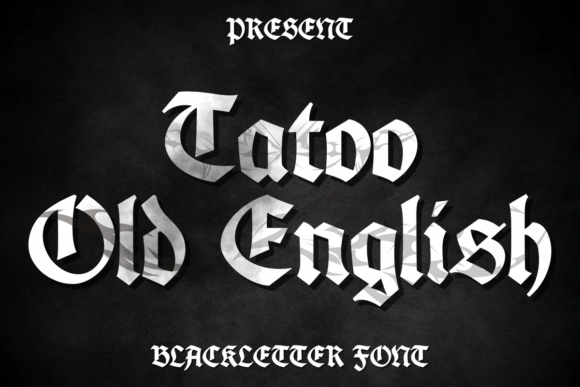
When I first laid eyes on Tattoo Old English, it immediately struck me as a bold and characterful display font. It carries the weight of tradition with a modern twist, making it feel both familiar and fresh. The thick strokes and intricate serifs give it a handcrafted look, reminiscent of old-world typography. This typeface exudes a sense of authority and artistry, which makes it ideal for projects that demand attention and visual storytelling.
The mood created by Tattoo Old English is strong and confident. It feels like it belongs in environments where heritage and craftsmanship are valued. Whether you're designing a brand identity or creating packaging for a luxury product, this font has the presence to make an impression without being overbearing.
Real-World Performance in Design Projects
As a designer, I’ve tested Tattoo Old English across a range of real-life scenarios, from logo design to digital ads, and it consistently delivers. In logo design, its unique structure helps create a memorable brand mark that stands out. It’s especially effective when paired with minimalist elements, allowing the font to take center stage.
In packaging design, Tattoo Old English adds a touch of elegance. It works well on product labels, especially for brands that want to convey a premium feel. Its boldness ensures readability even on small surfaces, which is crucial for effective communication in retail environments.
For posters and flyers, this font shines in large headlines and short phrases. It commands attention and sets the tone for any message it accompanies. In social media graphics, Tattoo Old English can be used creatively to add a vintage or artistic flair to posts, helping brands stand out in crowded feeds.
When it comes to web design, I recommend using Tattoo Old English sparingly. It works best as a headline font or for decorative accents rather than body text. Its display font nature makes it perfect for website headers, blog graphics, and editorial design elements that need to catch the eye.
It also performs well in printable products like Canva templates and Cricut projects. The clean lines and consistent stroke weights ensure that it prints beautifully, whether you’re creating invitations, merchandise, or commercial design assets.
Where to Use with Caution
While Tattoo Old English is visually striking, it should be used carefully in certain contexts. Due to its dense structure, it may not be the best choice for long paragraphs or small-size text. It’s more suited for large headlines, short phrases, and brand marks where impact is key.
When using it in brand identity work, consider how it pairs with other fonts. Testing it beside a serif font, sans serif font, or even a script font can help achieve balance and visual harmony. For example, pairing it with a clean sans serif font can create a nice contrast between traditional and modern aesthetics.
Also, keep in mind that Tattoo Old English may not be suitable for all audiences. While it appeals to those who appreciate modern typography and creative fonts, it might feel too ornate for more casual or contemporary branding. Always test it in black and white to see how it holds up under different conditions.
Readability and Brand Consistency
One of the most important factors in choosing a font is readability. Tattoo Old English, while beautiful, does have some limitations in this area. Its intricate details can become less legible at smaller sizes, so it’s best reserved for larger formats.
However, when used correctly, it contributes significantly to brand consistency. Its distinctive style can become a signature element of your brand identity, reinforcing recognition and trust among your audience. The visual mood it creates aligns well with premium and artisanal brands looking to communicate quality and uniqueness.
From a professionalism standpoint, Tattoo Old English can elevate the perceived value of your design work. When used in digital products or commercial fonts, it adds a layer of sophistication that resonates with discerning clients and customers alike.
Designer Notes and Best Practices
If you're considering Tattoo Old English for your next project, here are a few practical tips:
- Test it in black and white to assess contrast and legibility.
- Check small-size readability to avoid issues in print or web contexts.
- Try it on real mockups to see how it looks in different environments.
- Compare uppercase and lowercase to ensure they work well together.
- Review spacing to maintain visual balance in your layouts.
- Test it beside other fonts like a serif, sans serif, script, or handwritten font for effective font pairing.
- Confirm commercial licensing before using it in client or business projects.
Tattoo Old English is a versatile premium font that, when used thoughtfully, can enhance your design work. Whether you're working on editorial design, packaging design, or digital product creation, it offers a unique opportunity to express creativity and craft a lasting visual impression.